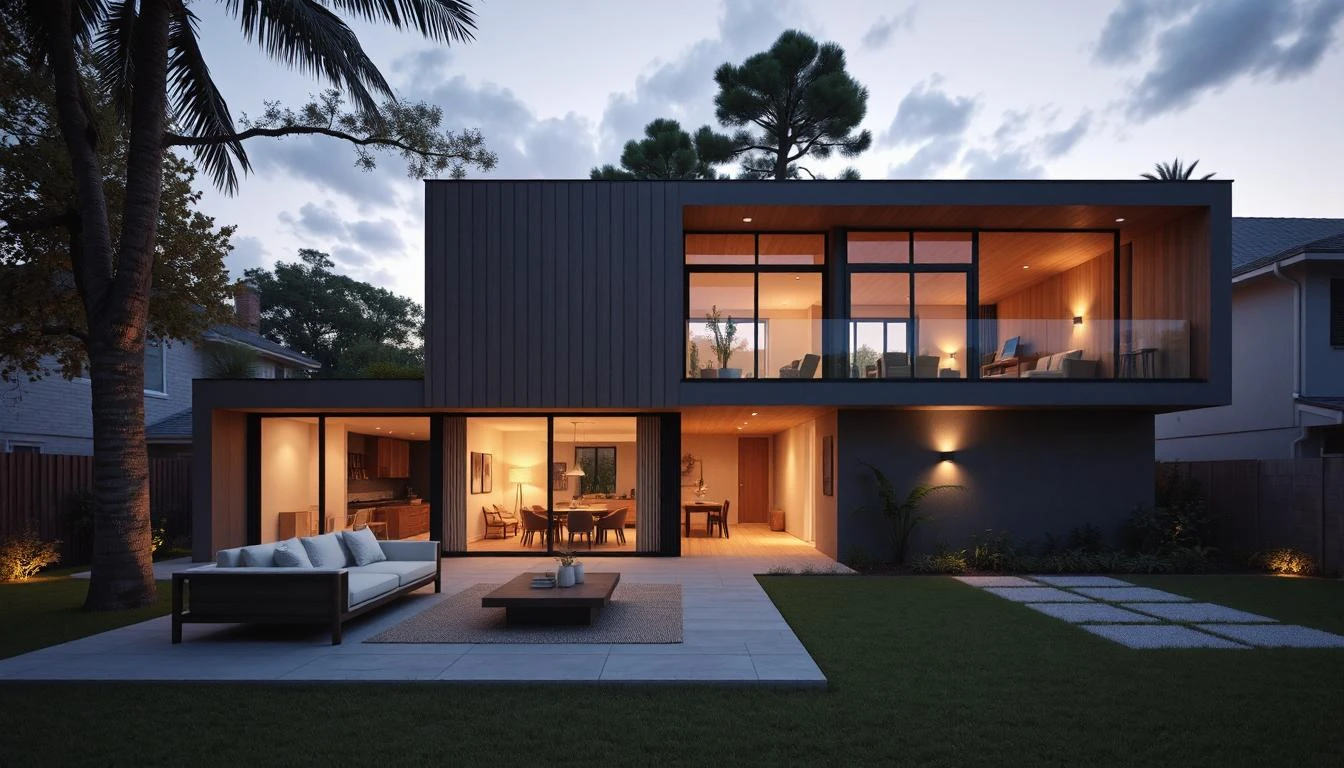
Tropical Home Inspirations
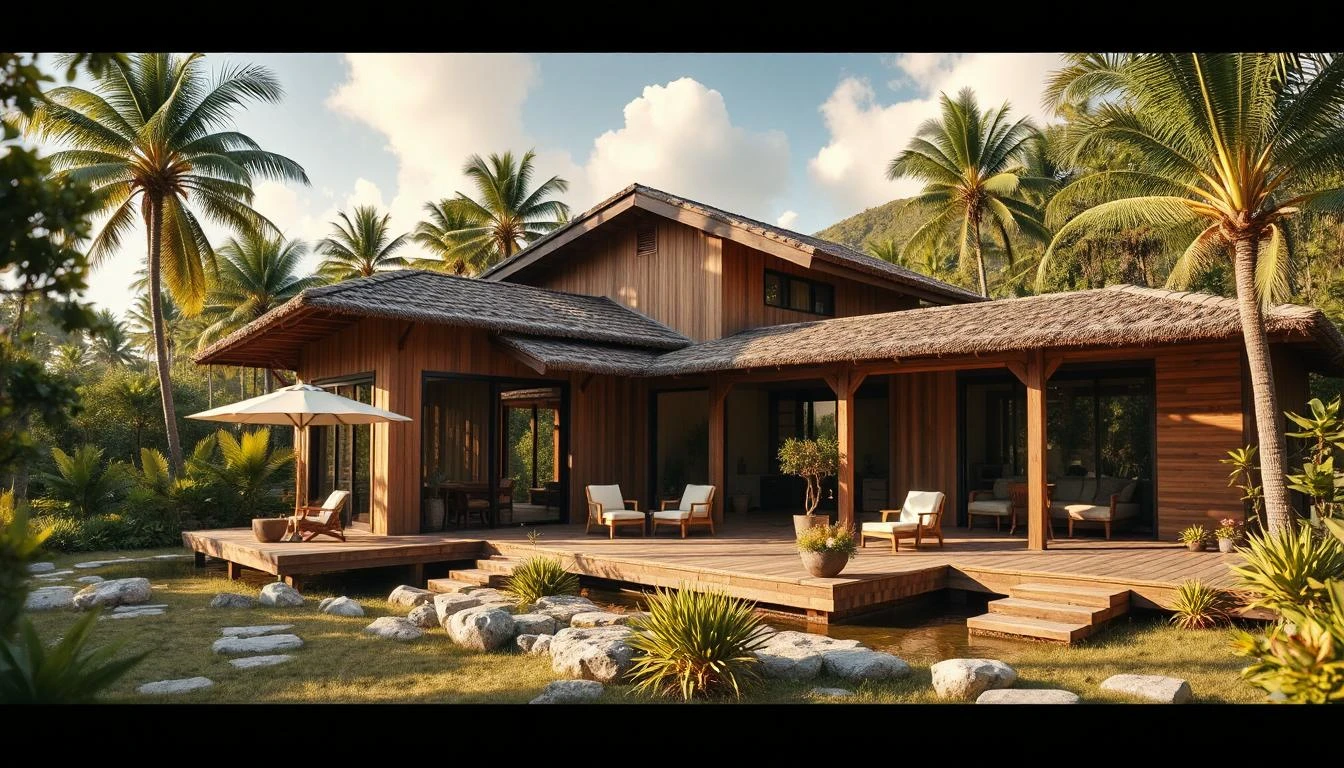
Have you ever wondered why some homes instantly feel cooler, brighter, and more relaxing the moment you step inside? Around the world, homeowners are increasingly looking for design concepts that create a stronger connection with nature while maintaining modern comfort. A tropical-inspired home is no longer limited to beachfront properties; it has become a global home improvement trend that blends functionality, sustainability, and timeless beauty.
Today, tropical home inspirations are redefining the way people design living spaces. By combining natural materials, open layouts, abundant daylight, and seamless indoor-outdoor transitions, this design approach creates environments that feel both luxurious and practical. As living habits continue to evolve, tropical design offers a refreshing solution for homeowners seeking comfort, efficiency, and a healthier lifestyle.
Essential Elements Of Tropical Home Design
Creating a tropical home is about much more than adding a few plants or using natural materials. The real appeal lies in designing spaces that work with the climate rather than against it. This philosophy allows homeowners to enjoy comfortable interiors while maximizing natural resources and reducing energy consumption.
Many modern tropical home ideas focus on creating a balance between beauty and functionality. The goal is to establish a living environment that feels open, welcoming, and closely connected to the surrounding landscape while supporting everyday comfort.
Open and airy layouts
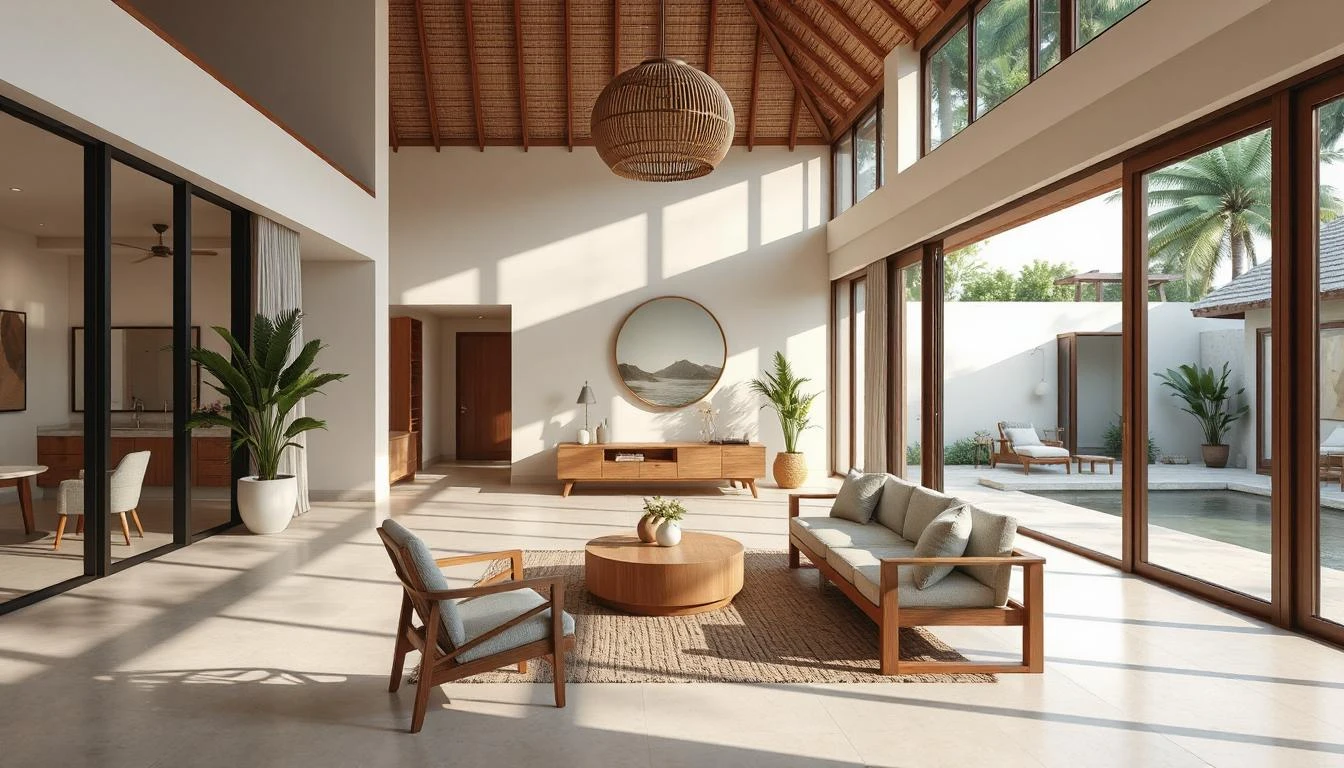
Open layouts are among the most recognizable features of tropical architecture. By minimizing unnecessary walls and barriers, airflow can move freely throughout the home, helping interiors feel cooler and more spacious.
Large living areas, interconnected dining spaces, and flexible room arrangements create a sense of freedom that many homeowners find appealing. These layouts also encourage social interaction, making homes feel more inviting for family gatherings and entertaining guests.
Natural lighting optimization
Natural light is a fundamental component of successful tropical design. Large windows, skylights, and strategically placed openings allow sunlight to illuminate interior spaces throughout the day. Beyond reducing electricity usage, daylight creates a vibrant atmosphere that positively impacts mood and well-being. Many contemporary homes now incorporate biophilic design, natural daylight solutions, and energy-efficient home design principles to maximize the benefits of sunlight while minimizing heat gain. As environmental design expert Stephen Kellert explained, "The quality of our lives depends directly on our connection to the natural world." This perspective continues to influence modern tropical homes, where natural light serves both aesthetic and functional purposes.
Indoor outdoor living concepts
One of the most attractive aspects of tropical living is the seamless transition between indoor and outdoor spaces. Covered patios, garden lounges, and open-air terraces effectively extend living areas beyond traditional walls.
This approach allows homeowners to enjoy fresh air, natural scenery, and greater flexibility in how they use their property. As a result, indoor-outdoor living has become one of the most requested features among those searching for modern tropical home design trends.
Materials Used In Tropical Homes
The materials used in tropical homes play a crucial role in determining both appearance and performance. Choosing the right materials can improve durability, comfort, and sustainability while enhancing the overall design aesthetic.
When selected carefully, natural textures and climate-appropriate finishes help create homes that remain beautiful and functional for years to come.
Sustainable wood finishes
Wood remains a favorite choice in tropical architecture because of its warmth and versatility. Sustainably sourced materials such as teak, bamboo, and engineered hardwoods provide natural beauty while supporting environmentally responsible construction practices.
Natural wood finishes are often preferred because they highlight authentic grain patterns and create visual harmony with surrounding landscapes. This subtle connection to nature contributes significantly to the calming atmosphere associated with tropical homes.
Stone and natural textures
Natural stone introduces depth, texture, and character into both interior and exterior spaces. Materials such as limestone, sandstone, and travertine are frequently used to create elegant surfaces that complement tropical environments.
Incorporating organic textures, sustainable interior materials, and nature-inspired home decor helps strengthen the visual identity of tropical design while adding timeless appeal. Renowned architect Frank Lloyd Wright once stated, "Study nature, love nature, stay close to nature. It will never fail you." Although spoken decades ago, this principle remains highly relevant in contemporary tropical architecture where natural materials continue to shape inviting and enduring spaces.
Weather resistant building materials
Tropical climates often bring high humidity, intense sunlight, and heavy rainfall. For this reason, durable materials are essential for long-term performance.
Modern builders increasingly rely on weather-resistant materials such as fiber cement panels, treated timber, corrosion-resistant metals, and advanced composite products. These solutions help homeowners reduce maintenance requirements while preserving the beauty of their homes over time.
Creating Comfort In Tropical Spaces
Comfort is ultimately what transforms a well-designed house into a truly enjoyable home. Every design decision within a tropical residence should contribute to creating a pleasant, healthy, and relaxing environment.
From airflow management to landscape integration, several elements work together to achieve this goal while enhancing everyday living experiences.
Enhancing natural ventilation
Natural ventilation is one of the most effective ways to improve comfort in tropical environments. Cross-ventilation strategies allow fresh air to circulate continuously, helping regulate indoor temperatures without excessive reliance on mechanical cooling systems.
Features such as louvered windows, elevated ceilings, and strategically positioned openings support better airflow and contribute to lower energy consumption. These solutions are particularly valuable for homeowners looking for how to keep a tropical home cool naturally.
Choosing tropical color palettes
Color choices significantly influence the atmosphere of a home. Tropical interiors often feature soft neutral foundations complemented by nature-inspired tones such as ocean blue, palm green, sandy beige, and earthy terracotta.
These palettes create visual warmth without overwhelming the space. They also help reinforce the connection between interior environments and the natural world outside.
Adding greenery and landscape features
Greenery is often the finishing touch that brings tropical design to life. Indoor plants, vertical gardens, water features, and shaded courtyards introduce texture, color, and natural beauty throughout a property. These elements do more than enhance aesthetics; they contribute to a healthier and more enjoyable living environment. According to biophilic design specialist Bill Browning, "Our connection to nature is not optional, it is essential to health and well-being." This insight helps explain why thoughtfully integrated landscaping remains one of the most valuable investments in modern tropical home design.
Discover Tropical Home Inspirations For Comfortable Living Today
As more homeowners seek healthier and more sustainable ways of living, tropical design continues to gain global attention. Its ability to combine beauty, practicality, and environmental awareness makes it a compelling choice for both new construction projects and renovation plans.
The true strength of tropical home inspirations lies in their flexibility. Whether you live in a coastal region, an urban neighborhood, or a suburban community, the principles of open design, natural materials, abundant daylight, and strong connections to nature can be adapted to suit a wide variety of lifestyles and architectural styles.
If you have been searching for a way to create a home that feels more comfortable, inviting, and timeless, tropical design offers inspiration worth exploring. Start with small changes, embrace natural elements, and discover how thoughtful design choices can transform the way you experience your home every day.