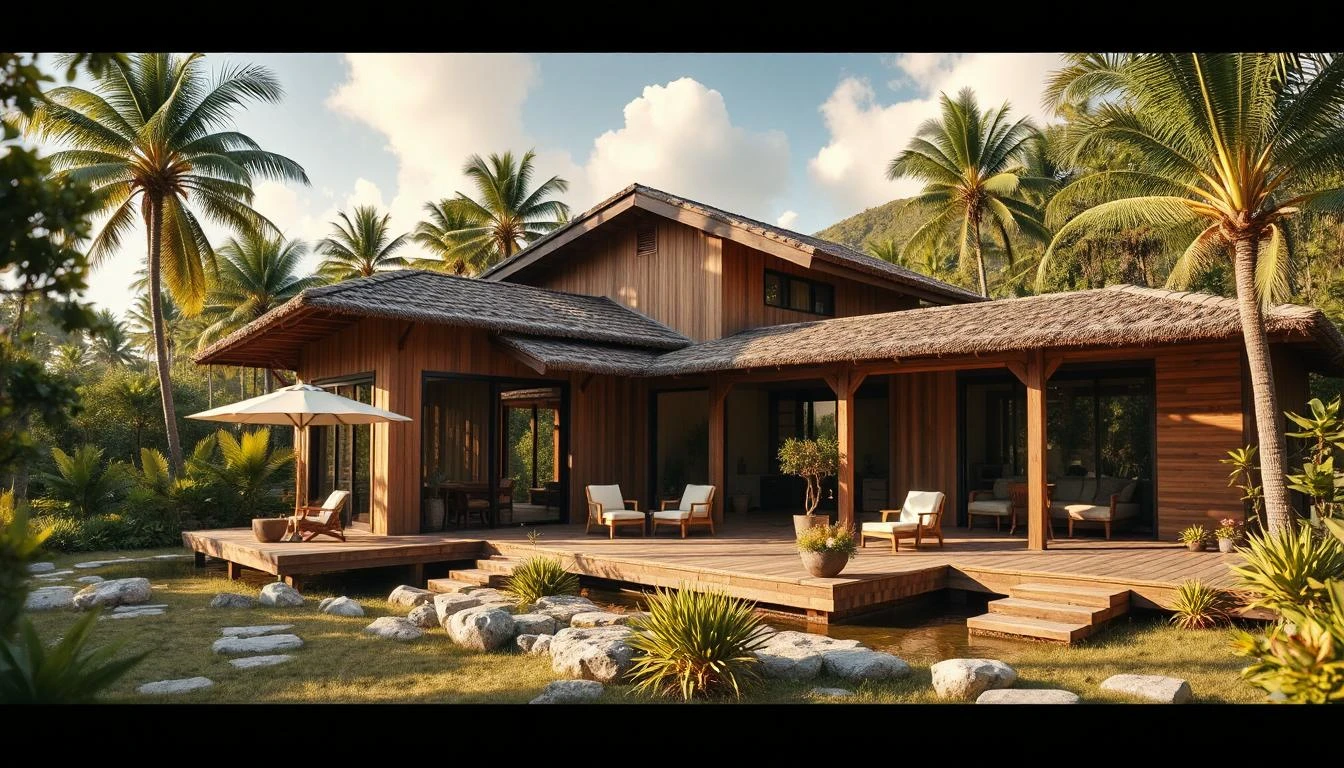
Interior Design For Tropical Homes
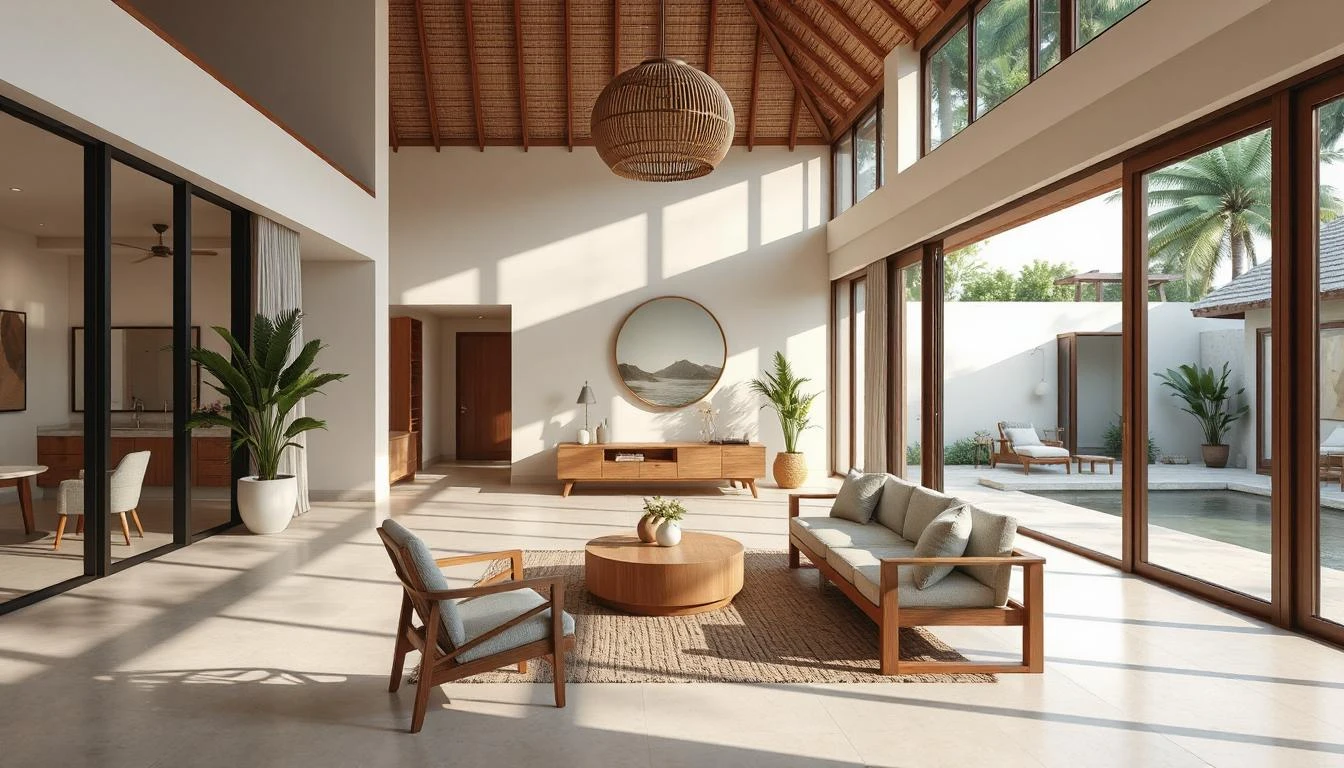
Have you ever walked into a home and instantly felt cooler, calmer, and more connected to nature? That experience is exactly what makes tropical-inspired interiors so appealing. As modern homeowners look for ways to improve comfort, reduce energy consumption, and create healthier living environments, tropical design continues to gain popularity across different regions of the world.
A well-planned tropical home interior design approach goes beyond decorating with plants and natural textures. It focuses on creating spaces that respond to climate, maximize airflow, embrace natural light, and deliver lasting comfort. The result is a home that feels refreshing throughout the year while maintaining a timeless aesthetic that never goes out of style.
Principles Of Tropical Interior Design
Creating a successful tropical interior starts with understanding the core principles behind the design. The concept of interior design tropical homes is not only about appearance but also about functionality, sustainability, and comfort. When these elements work together, every room feels naturally inviting while supporting modern lifestyles.
Functional Space Planning
Functional space planning is one of the most important principles in tropical interiors. Open layouts encourage natural ventilation, allowing air to circulate freely between rooms. This simple strategy can help reduce heat buildup and improve overall comfort.
Many modern tropical homes also incorporate flexible living areas that adapt to different activities throughout the day. By minimizing unnecessary barriers and maximizing movement, homeowners can create spaces that feel larger, brighter, and more welcoming. This approach is particularly valuable in regions where maintaining airflow naturally can significantly enhance indoor comfort.
Light And Refreshing Color Schemes
Color selection has a significant impact on how a tropical home feels. Soft white, sandy beige, warm cream, pale green, and ocean-inspired blue tones help reflect natural light and create an airy atmosphere.
These palettes work especially well when combined with natural lighting, coastal-inspired interiors, cross ventilation design, and open-concept living spaces. Together, they reinforce the relaxing ambiance that many homeowners seek when embracing tropical design principles. Lighter colors also help visually expand spaces, making rooms feel more open and refreshing.
Natural Material Selections
Natural materials remain at the heart of tropical interiors. Wood, bamboo, rattan, linen, stone, and woven fibers introduce warmth and texture while maintaining a strong connection to nature. These materials not only enhance visual appeal but also contribute to a more authentic and climate-responsive living environment.
Architect Geoffrey Bawa, widely recognized as one of the pioneers of tropical architecture, once stated, "Architecture cannot be totally explained but must be experienced." His philosophy reflects the essence of tropical interiors, where the relationship between nature, climate, and living spaces creates a more comfortable and meaningful home environment. Today, many designers continue to apply this principle by incorporating sustainable materials and biophilic design concepts into modern homes.
Decorating Tropical Living Spaces
Once the foundational design elements are established, decorating becomes an opportunity to add personality and character. The goal is not to overwhelm the space but to enhance its natural beauty while maintaining comfort, balance, and functionality throughout the home.
Furniture For Tropical Comfort
Furniture should feel inviting while supporting everyday living. Pieces made from teak, rattan, and sustainably sourced wood often perform exceptionally well in tropical environments because they combine durability with timeless appeal.
Homeowners searching for the best furniture for tropical home interiors often discover that simple, breathable designs outperform bulky furnishings. Lightweight furniture also helps maintain the open and airy atmosphere associated with tropical living. Upholstery crafted from linen and cotton can further improve comfort while contributing to a relaxed aesthetic.
Decorative Plants And Accessories
Plants play a vital role in creating an authentic tropical environment. Large-leaf varieties such as monstera, bird of paradise, palm species, and philodendrons bring energy and vibrancy into the home. Their presence helps soften architectural lines while adding natural texture and color.
Accessories should complement the overall design rather than dominate it. Handcrafted pottery, woven baskets, textured cushions, and natural-fiber rugs can add depth without creating visual clutter. Interior designer Kelly Wearstler emphasizes the importance of thoughtful design balance, stating, "The combination of texture, color, and form creates a space that feels alive." This perspective explains why carefully selected plants and natural accessories often have a greater impact than excessive decoration.
Blending Indoor And Outdoor Styles
One of the defining features of tropical design is the seamless transition between indoor and outdoor living spaces. Large windows, sliding glass doors, covered patios, and landscaped courtyards help strengthen this connection.
This approach not only expands the usable living area but also encourages greater interaction with natural surroundings. As a result, many homeowners looking for indoor-outdoor tropical living design ideas prioritize architectural features that blur the boundaries between inside and outside spaces. The result is a lifestyle that feels more open, relaxing, and connected to nature throughout the year.
Modern Trends In Tropical Interiors
Tropical interiors continue to evolve as homeowners embrace new technologies, sustainability practices, and contemporary aesthetics. These modern developments allow tropical homes to remain relevant while offering practical solutions for today's changing lifestyle needs.
Sustainable Decor Solutions
Sustainability has become one of the strongest influences in modern home improvement. Reclaimed wood furniture, eco-friendly textiles, recycled materials, and locally sourced décor are increasingly popular choices.
These solutions support environmental responsibility while adding authenticity and character to interior spaces. They also align with the growing interest in sustainable tropical home interior design ideas, which focus on long-term value rather than short-term trends. Homeowners are increasingly recognizing that sustainable choices can deliver both environmental and financial benefits over time.
Smart Lighting Integration
Lighting technology has transformed how homeowners experience their living spaces. Smart lighting systems allow users to adjust brightness levels, color temperatures, and schedules according to their daily routines.
When combined with abundant daylight, smart lighting enhances comfort and energy efficiency. This integration demonstrates how tropical interiors can successfully merge traditional design principles with modern innovation. Automated systems also help create personalized atmospheres that adapt seamlessly to different times of day.
Minimalist Tropical Aesthetics
Minimalism has become a natural companion to tropical design. Rather than filling rooms with unnecessary décor, homeowners are increasingly choosing curated furnishings and purposeful design elements.
The combination of clean lines, organic materials, uncluttered layouts, and biophilic design trends creates spaces that feel sophisticated without losing warmth. This trend is particularly popular among those seeking modern minimalist tropical interior design trends that prioritize simplicity, functionality, and visual harmony.
Transform Your Space With Interior Design For Tropical Homes
The beauty of tropical interiors lies in their ability to combine comfort, practicality, and visual appeal within a single design philosophy. By focusing on airflow, natural materials, sustainable choices, and thoughtful space planning, homeowners can create environments that feel refreshing every day.
Whether you are planning a complete renovation or making gradual improvements, tropical design offers timeless solutions that adapt to changing lifestyles and modern expectations. More importantly, it proves that a home does not need excessive luxury to feel extraordinary. The most successful tropical homes are often those that maximize natural advantages rather than relying solely on decorative elements.
As design preferences continue to evolve, tropical interiors remain one of the most effective approaches for creating healthier, brighter, and more enjoyable living environments. By embracing nature, sustainability, and intelligent design principles, you can transform your home into a space that supports both comfort and long-term value while maintaining a timeless sense of style.
If you are looking for inspiration for your next home improvement project, tropical design may be the perfect starting point to create a home that feels naturally beautiful, functional, and welcoming every day.